Scientists Knocked Out Ants' Sense of Smell and Proved Their Social Behavior Runs on Scent
Cet article n'est disponible qu'en chinois et en anglais. Voici la version anglaise.
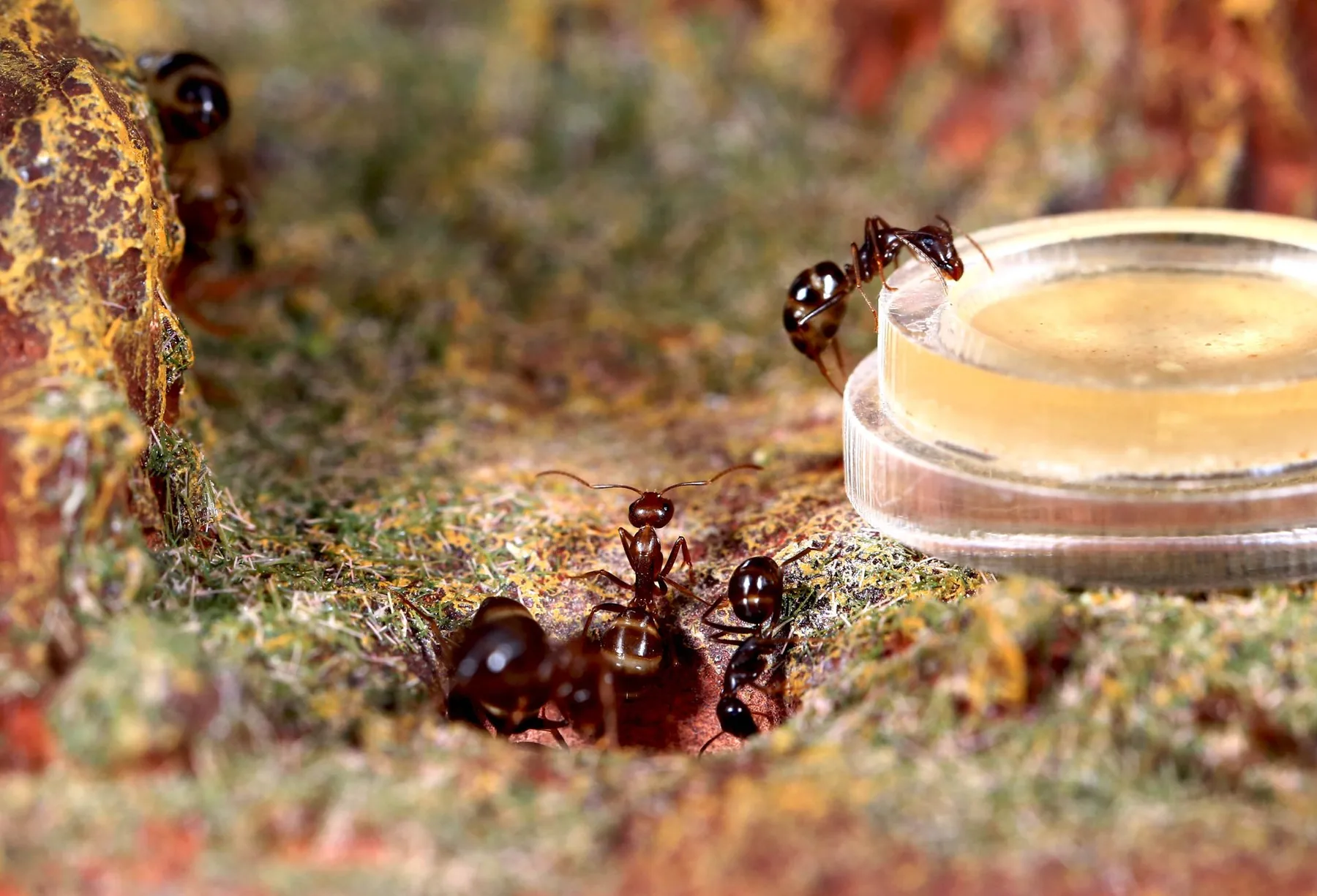
Researchers at Rockefeller University spent more than two years injecting over 10,000 ant eggs, using CRISPR (a gene-knockout technique) to disable the ants’ ability to relay signals to the brain. They deleted a specific gene, the one that normally converts the scents picked up by the antennae into brain signals so the ant can work out what each scent means and respond. As a result, the ants grew up unable to process scents properly, and even unable to produce them. Their behavior changed dramatically: they lost their social behavior entirely. Unable to recognize the pheromone scents that draw ants together, they simply wandered around on their own.
Original video: https://www.facebook.com/quartznews/videos/1493378604029170/
Looking ahead to how biotechnology might be applied, deleting a specific gene lets us demonstrate what that stretch of DNA does for an organism, which in turn helps us map the genome. Beyond that, similar techniques could be used to delete or add other gene segments to strengthen or introduce the effects they bring. It may feel at odds with the principles of nature, but it could also help us solve problems that no other field has been able to crack.