What Do Ants Eat? The Six Ant Diets
Este artículo solo está disponible en chino e inglés por el momento. A continuación se muestra la versión en inglés.
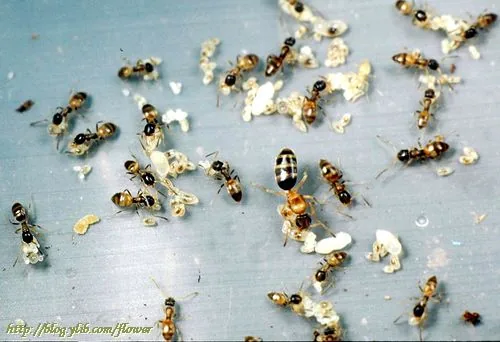
Most people assume ants eat anything. That stereotype is both right and wrong, because different species have different diets and ways of life. Think of birds: some eat insects, some eat seeds, some eat fruit, and while an eagle catches live prey, a vulture eats carrion. Ants are the same. Their varied diets are precisely what let so many of them coexist in the world.
Ant diets are generally divided into six types: omnivorous, omnivorous leaning herbivorous, omnivorous leaning carnivorous, carnivorous, omnivorous seed-eating, and fungus-farming. Each type feeds on different things.
These differences are the result of evolution and adaptation to different environments. Every food source in the world is a limited resource, so diets diverged to avoid everyone competing for the same food and running short. And it is not just diet: habits, behavior and even body structure changed along with it.
Here are the six diets in more detail:
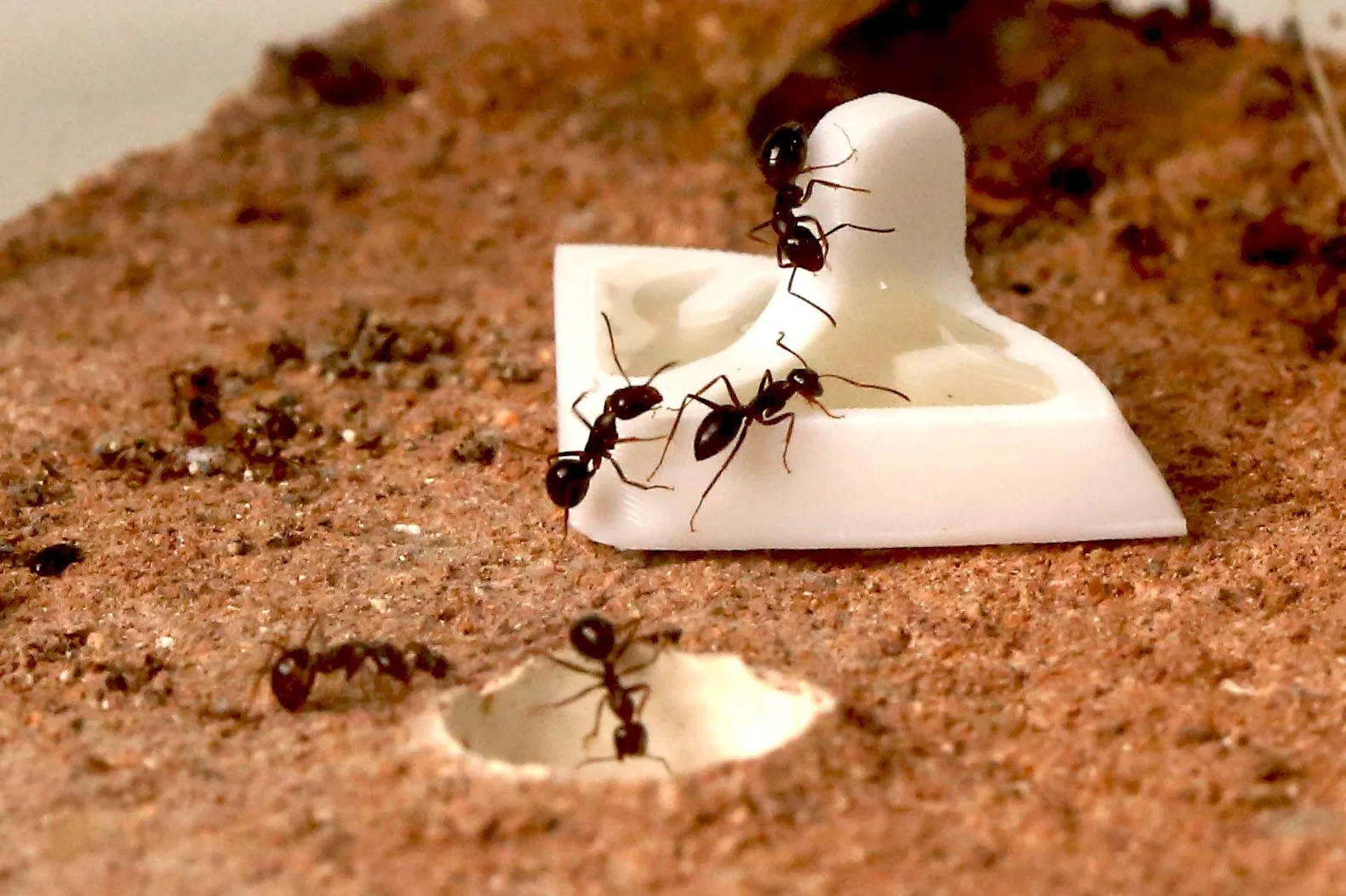
Omnivorous: As the name suggests, these are the ants we all picture, the ones that eat anything, including processed foods like sweets and biscuits. The reason this stereotype exists is that the ants we come into closest contact with are omnivores, which is exactly why they can survive in the human world. These species emerged gradually as humans altered nature, adapting their diet and body size so they could settle comfortably into man-made environments. As a result, omnivorous species tend to be small and highly adaptable.
Best foods for keeping ants with this diet: fresh dead insects, fruit, sugar water, honey water
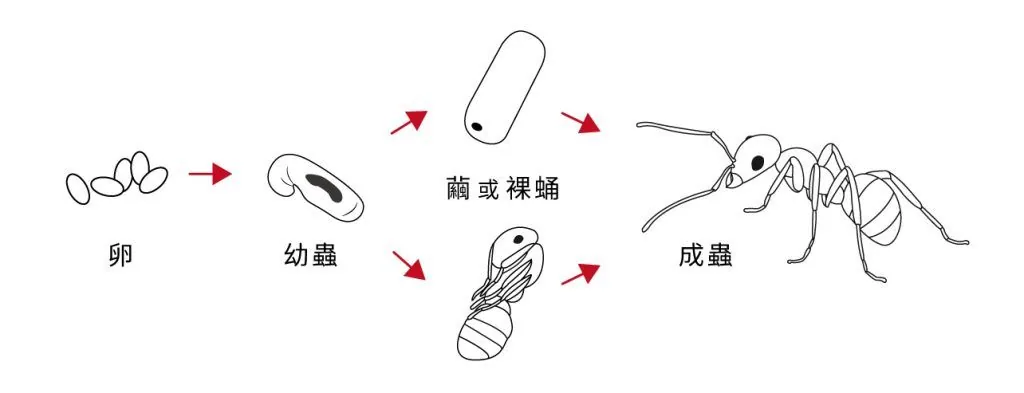
The egg is the smallest and most delicate of all the stages. Eggs are usually off-white, white or cream, though in some species they can turn pink or orange depending on what the colony has eaten. Whatever the color, each egg is a single uniform shade. Round and oval shapes are the most common, though some are long and cylindrical. The eggs are sticky, so they cling to one another, which makes it easier for the workers to tend them all together.
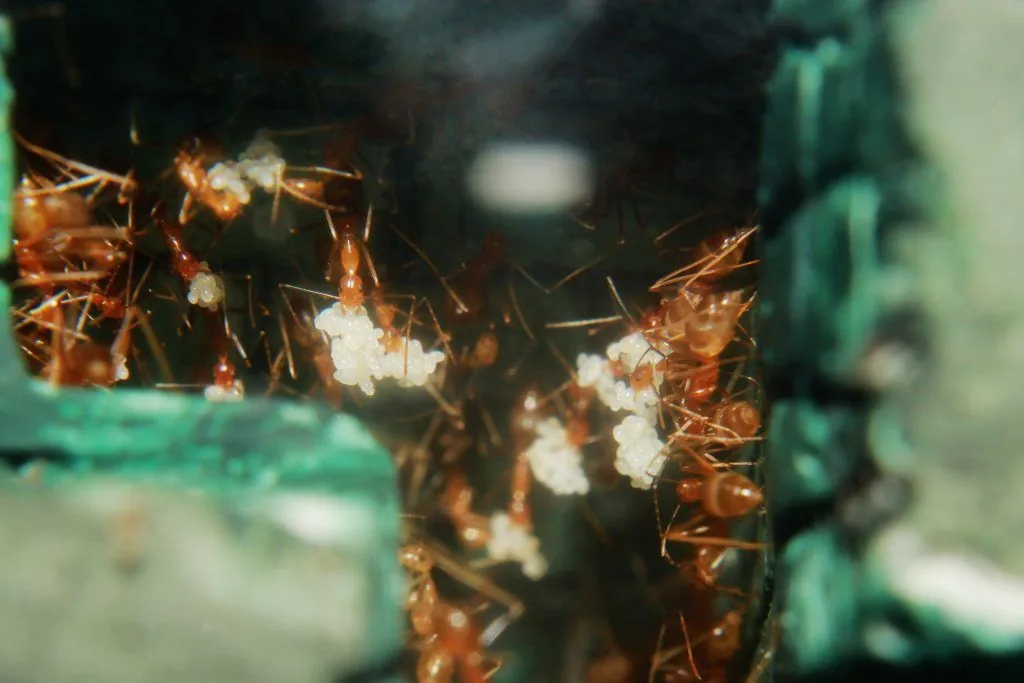
Omnivorous leaning herbivorous: “Herbivorous” here does not mean they never eat insects (for ants, “meat” means insect flesh, not other kinds of meat). It means ants with this diet do not actively hunt prey (that is, they do not kill), so we classify them as leaning herbivorous. In the wild they drink plant sap, secretions, sweet fruit juices and insect honeydew, and feed on dead insects. Species with this diet tend to be larger, and some are brightly colored. Because their staple food is liquid, their bodies differ slightly from ants with other diets: their social stomach, the crop, which is the container they carry and store liquid food in, is noticeably larger. It swells visibly after a full meal, and the color of the gaster even changes with the color of the liquid they have drunk.
Best foods for keeping ants with this diet: fruit, sugar water, honey water, fresh dead insects, with sweet liquids (sugars) as the main food source
Omnivorous leaning carnivorous: Ants with this diet actively attack prey, but will also eat dead insects, fruit, seeds and sweet liquids when they come across them. Unlike the herbivorous-leaning species, they need more protein than sugar. These ants usually have a predatory edge: whether they hunt in groups or as individuals, they have special behaviors and body structures that make them better hunters.
Best foods for keeping ants with this diet: live insects, fresh dead insects, sugar water, honey water, fruit
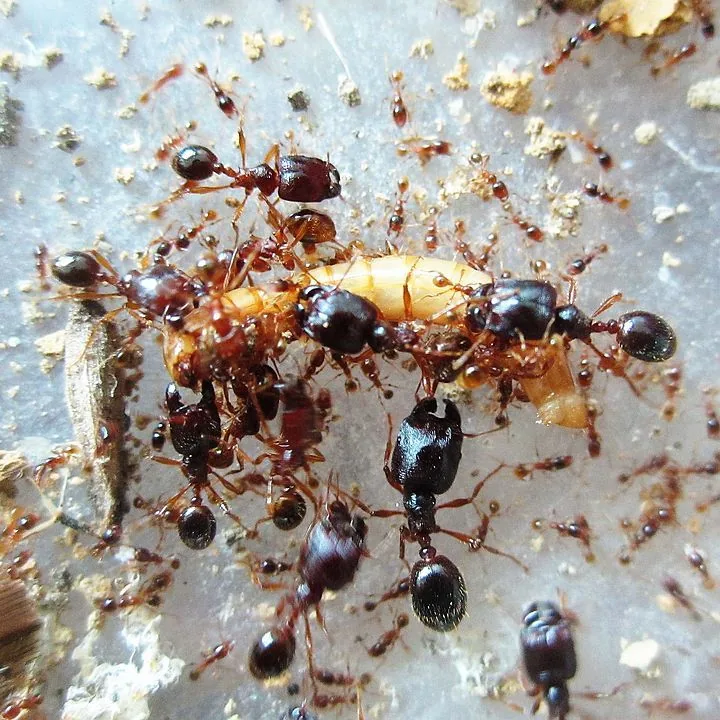
Carnivorous: As the name says, these ants only bring back live prey to eat and show no interest whatsoever in sweet liquids, fruit or anything else. Naturally, ants in this group tend to have remarkable hunting behaviors or anatomy.
Best foods for keeping ants with this diet: live insects
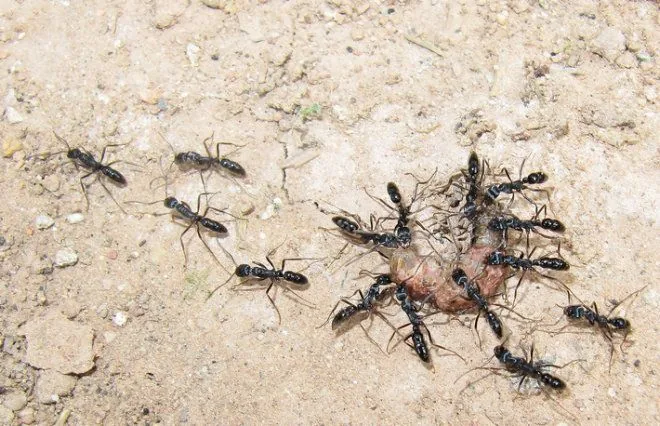
Omnivorous seed-eating: Remember the ants in Aesop’s fables, or in the film A Bug’s Life, storing food for the winter? Those stories are about this group. For ants, who have no fridge, seeds are the only food that can actually be stored, which makes this the only diet in the world where ants genuinely stockpile food. The reason seeds became their staple is that their native habitats are harsh, with few food sources, so they switched to seeds. Of course, when other food turns up, they are more than happy to carry it home too.
Best foods for keeping ants with this diet: seeds, live insects, fresh dead insects, sugar water, honey water, fruit
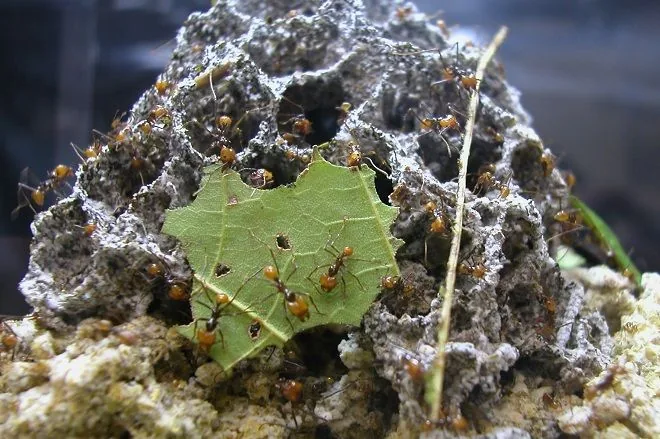
Fungus-farming: Everyone has heard of leafcutter ants. This is the only truly “vegetarian” diet in the world: these ants eat nothing but the fungus they cultivate themselves. Larger workers are sent out to collect leaves, cutting them from plants and carrying them home, where smaller workers chew them into pulp and spread it on the fungus garden to grow more fungus, just like human farming. Even more impressive, they understand sustainability: they never strip all the leaves from a single nearby plant, because they know a plant without leaves will die. They would rather walk further to collect, which is something we humans could learn from.
For this diet you only need to provide fresh leaves for the workers to carry home and farm their fungus on.
Taiwan has no seed-eating or fungus-farming ant species.