What Is a Social Insect?
Este artículo solo está disponible en chino e inglés por el momento. A continuación se muestra la versión en inglés.
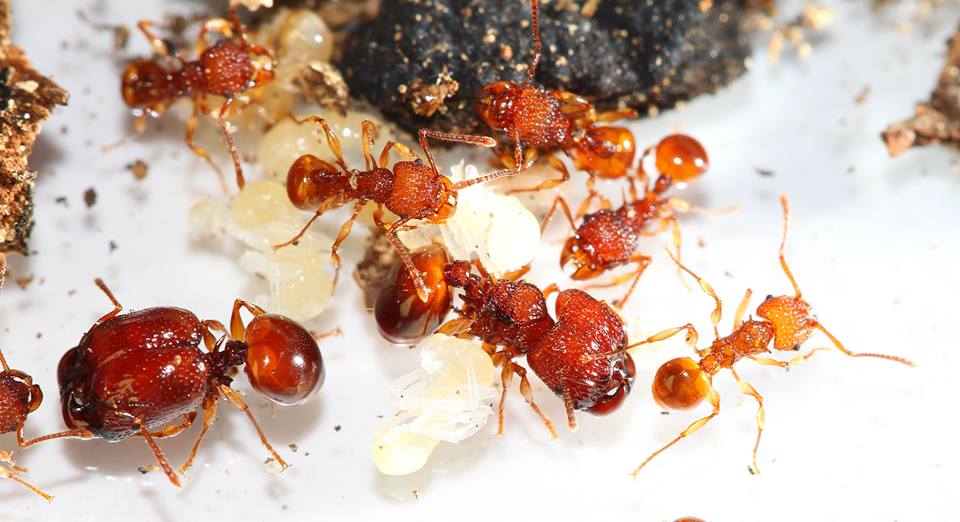
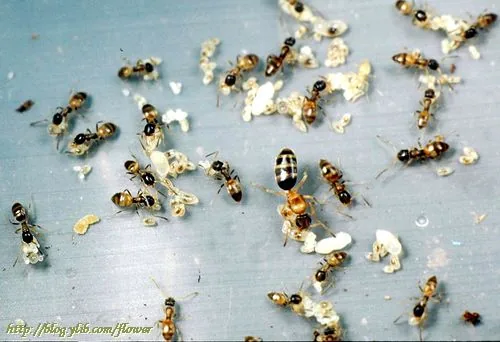
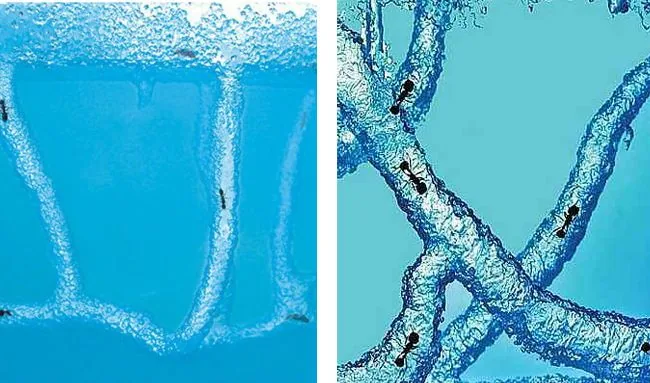
Social insects are the most complex and most highly evolved species in the insect world. This social behaviour is what lets them dominate the insect kingdom. Although social insects make up only about 1.5% of all insect species, their numbers and biomass far exceed those of all other species combined.
Insect sociality is divided into the following six levels:
Solitary
Subsocial
Communal
Quasisocial
Semisocial
Eusocial
When we talk about “social insects,” we actually mean the eusocial ones, and it is eusocial insects that we will be explaining here.
There are only three kinds of eusocial insects in the world:
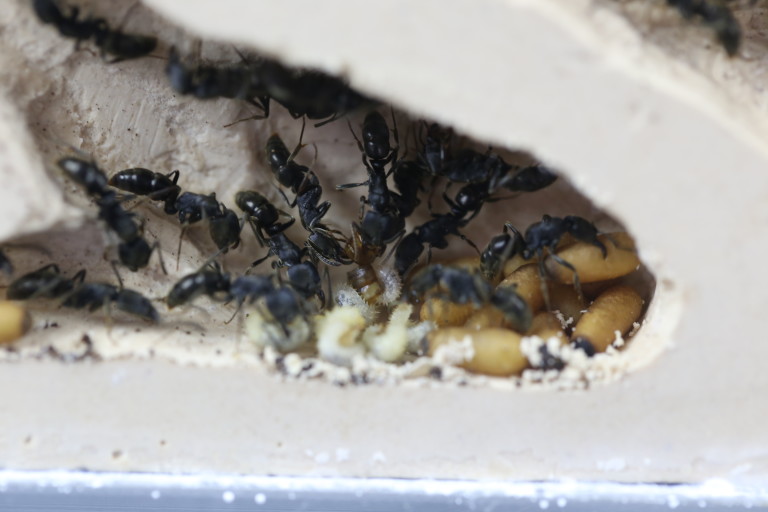
Ants
Bees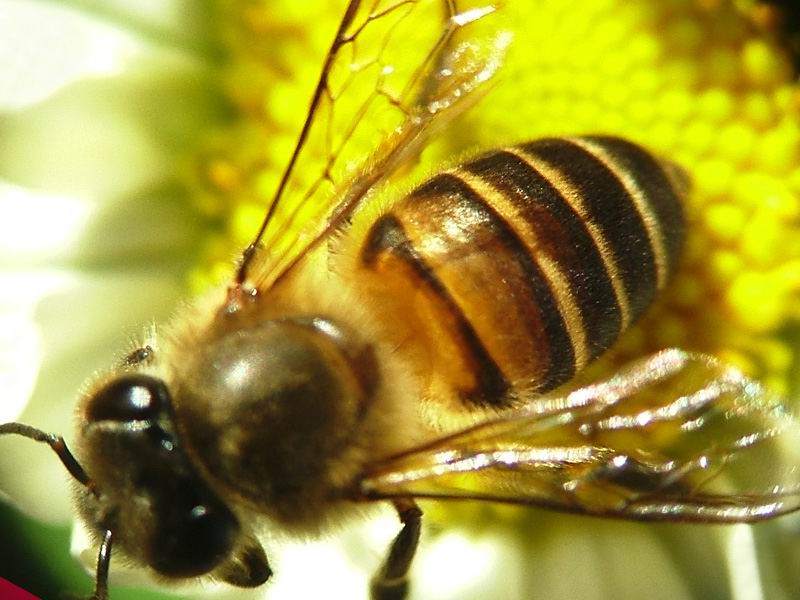
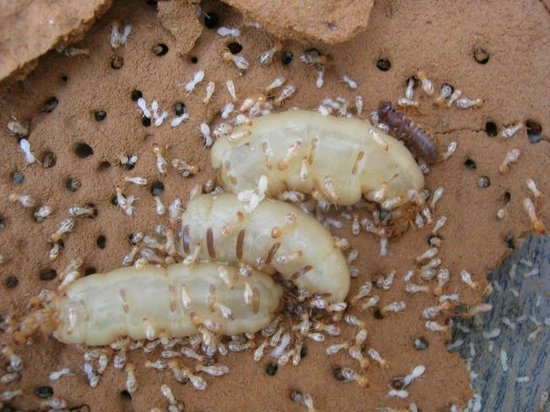
Termites
To qualify as a social insect, the following four conditions must be met:
- Division into castes: a reproductive caste and a labour caste, in other words a fertile caste and a sterile caste. The traits arising from individual differences let each caste carry out the mission assigned to it, much like job roles in a human company.
- Overlapping generations: at least two generations live together in the colony at the same time, much like three generations living under one roof in the human world.
3. Shared nesting: individuals of different generations build and share a nest in a single place.
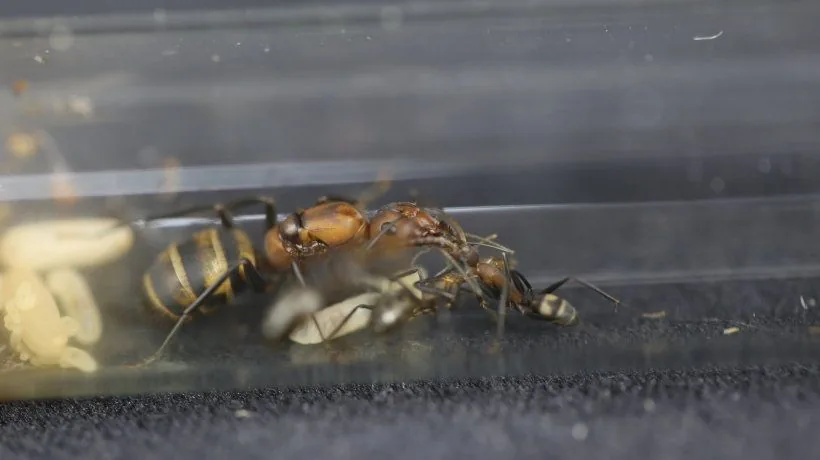
- Cooperative brood care: the colony collectively cares for and protects the eggs, larvae and pupae (cocoons), which cannot survive on their own.
You are welcome to share and repost this article, but please credit the source.